

 Phone
Phone Email
Email WhatsApp
 Facebook
 Youtube


From fabric to brand: How to choose the right material for your clothing
1. How to choose the right fabric for your clothing: the key to brand success
In modern clothing design, the choice of fabric not only affects the appearance and comfort of clothing, but also directly affects the brand's market competitiveness. By choosing the right fabric, the brand can stand out in the market while providing consumers with a higher quality wearing experience.
2. Why is choosing the right fabric so important?
Choosing the right fabric is the cornerstone of every clothing brand's success. Fabric determines the touch, appearance, comfort and durability of clothing, and also affects the brand's positioning and market performance.
1.Influence on the comfort of clothing:
The breathability, softness and stretchability of fabrics directly affect the wearing experience. For example, cotton fabrics are soft and breathable, suitable for daily wear; wool fabrics have good warmth retention and are suitable for winter clothing.
2.Brand positioning:
Fabric selection can reflect the brand's quality positioning. For example, a high-end brand may choose luxurious fabrics such as silk or wool, while a fast-fashion brand may choose more affordable synthetic fabrics.
3.Market demand:
With the improvement of environmental awareness, consumers are more and more inclined to choose sustainable fabrics. If a brand can provide environmentally friendly fabrics, it can often attract more consumers who pay attention to sustainable development.
3. Common clothing fabrics and their characteristics

- Cotton
- Features: naturally breathable, highly hygroscopic, suitable for hot summer.
- Advantages: soft, comfortable, suitable for casual wear, T-shirts, underwear, etc.
- Disadvantages: easy to wrinkle, high shrinkage rate.
- Applicable scenarios: casual wear, home wear, summer clothing.
1.Wool
- Features: Warmth, good moisture absorption, suitable for cold weather.
- Advantages: Natural antibacterial properties, suitable for winter clothing.
- Disadvantages: Susceptible to insect damage, complicated to clean and maintain.
- Applicable scenarios: sweaters, jackets, scarves, winter coats.
2.Polyester
- Features: durable, wrinkle-resistant, easy to clean, often used in sportswear.
- Advantages: moderate price, easy to maintain, strong durability.
- Disadvantages: poor breathability, not as comfortable as natural fibers when worn.
- Applicable scenarios: sportswear, work clothes, outdoor equipment.
3.Silk
- Features: smooth, soft, with natural luster, suitable for high-end clothing.
- Advantages: delicate touch, good breathability, suitable for formal occasions.
- Disadvantages: expensive, easy to wrinkle, high cleaning requirements.
- Applicable scenarios: high-end fashion, evening dresses, wedding dresses.
4.Linen
- Features: Light, cool, natural, suitable for tropical climates and summer wear.
- Advantages: Highly breathable, dry and cool, with natural antibacterial properties.
- Disadvantages: Easy to wrinkle, feels rough.
- Applicable scenarios: Summer shirts, dresses, casual pants.
4. How to choose fabrics according to clothing usage
To choose the right fabric, you must first understand the purpose of the clothing. Clothing for different purposes has different requirements for fabrics.
- Casual Clothing
- Recommended fabrics: cotton, linen, knitted fabrics.
- Reason: These fabrics are comfortable, breathable, and suitable for daily wear.
- Examples: T-shirts, sweatpants, casual shirts.
- Formal Wear
- Recommended fabrics: wool, silk, worsted wool.
- Reason: These fabrics are elegant, suitable for formal occasions, and can reflect the high-end image of the brand.
- Example: suits, shirts, skirts.
- Sportswear
- Recommended fabrics: Polyester, nylon, spandex.
- Reason: These fabrics have good stretch, breathability and durability, making them ideal for sportswear.
- Examples: Sports T-shirts, running pants, gym clothes.
- Seasonal Clothing
- Summer: Light and breathable fabrics, such as cotton, linen, and silk.
- Winter: Thick and warm fabrics, such as wool, tweed, and flannel.
5. Environmentally friendly and sustainable fabric choices
With the rise of the environmental protection trend, more and more consumers and brands begin to pay attention to the environmental friendliness and sustainability of fabrics.
- Organic cotton:
uses natural planting methods without pesticides and fertilizers to reduce environmental pollution, and the fabric feels soft and comfortable.
- Recycled polyester fiber:
The fabric produced by recycling old clothes or waste plastic bottles reduces resource waste and is durable.
- Tencel:
Made from natural wood pulp, the production process is more environmentally friendly, and the fabric is soft, breathable, and antibacterial.
- Linen:
Natural, biodegradable, and requires less water and energy in the production process, making it an environmentally friendly choice.
6. How to balance quality and cost?
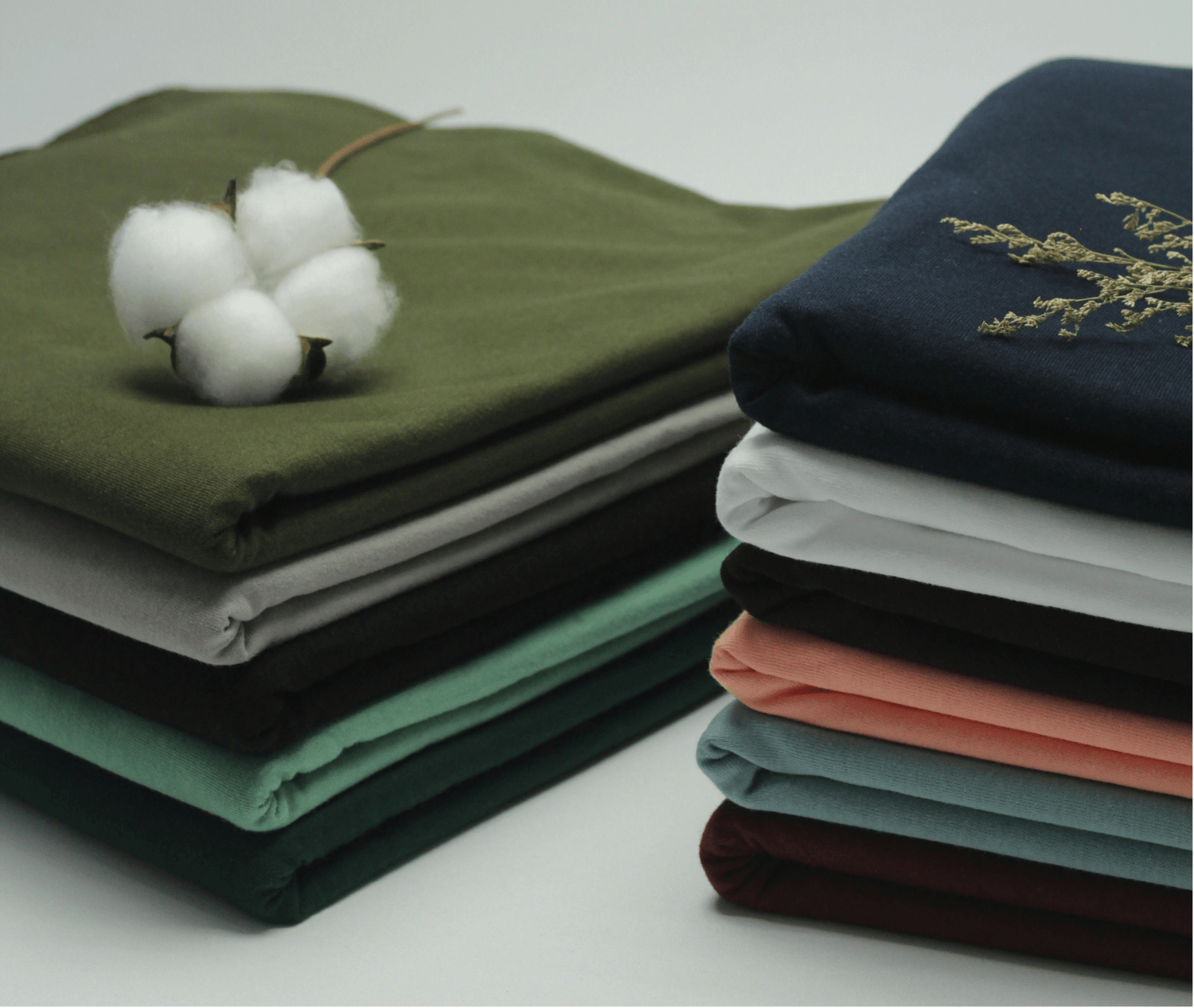
When choosing fabrics, brands need to balance quality and cost:
- High-end brands:
You can choose luxurious fabrics such as wool and silk. Although the price is higher, it can enhance the brand image and attract consumers.
- Mid-end brands:
You can choose cost-effective synthetic fibers and natural fabrics blended, such as cotton and polyester blends, to maintain comfort while controlling costs.
- Economy brands:
You can choose durable and easy-to-maintain fabrics such as polyester fibers to reduce production costs while providing more affordable products.
7. Fabric supply chain and partners
Choosing reliable suppliers and manufacturers is crucial to the quality and delivery time of fabrics. Ensuring the supplier's reputation, production capacity and quality control standards can ensure the stability of fabrics.
- Supplier selection: Investigate supplier history, factory certifications, and customer feedback.
- Quality control: Build long-term relationships with suppliers to ensure each batch of fabrics undergoes rigorous quality inspections.
8. Testing and verification of fabric samples
Before mass production, it is crucial to test the quality of fabrics:
- Color fastness test: Check whether the color of the fabric lasts in different environments.
- Shrinkage test: Ensure that the fabric does not shrink significantly after washing.
- Antibacterial performance test: For underwear or sportswear, antibacterial function can improve the user experience.
9. Conclusion: Choosing the right fabric for your brand

Choosing the right fabric not only improves the comfort and appearance of your garments, but also helps your brand stand out from the competition. If you are creating high-quality garments for your brand and looking for reliable fabrics, our factory has been engaged in garment production for 20 years and has rich experience in providing you with fabric selection advice, selecting the most suitable fabric for your garments, and providing production technology. We can meet your needs. Whether it is mass production, rapid proofing, or personalized customization, we can provide you with efficient and reliable support. Contact us now and let us help you take your clothing brand to a whole new level! Please click on our official website to contact us.(https://www.aoguactivewear.com/)